Thinking outside of the box with NGINX series - geo command
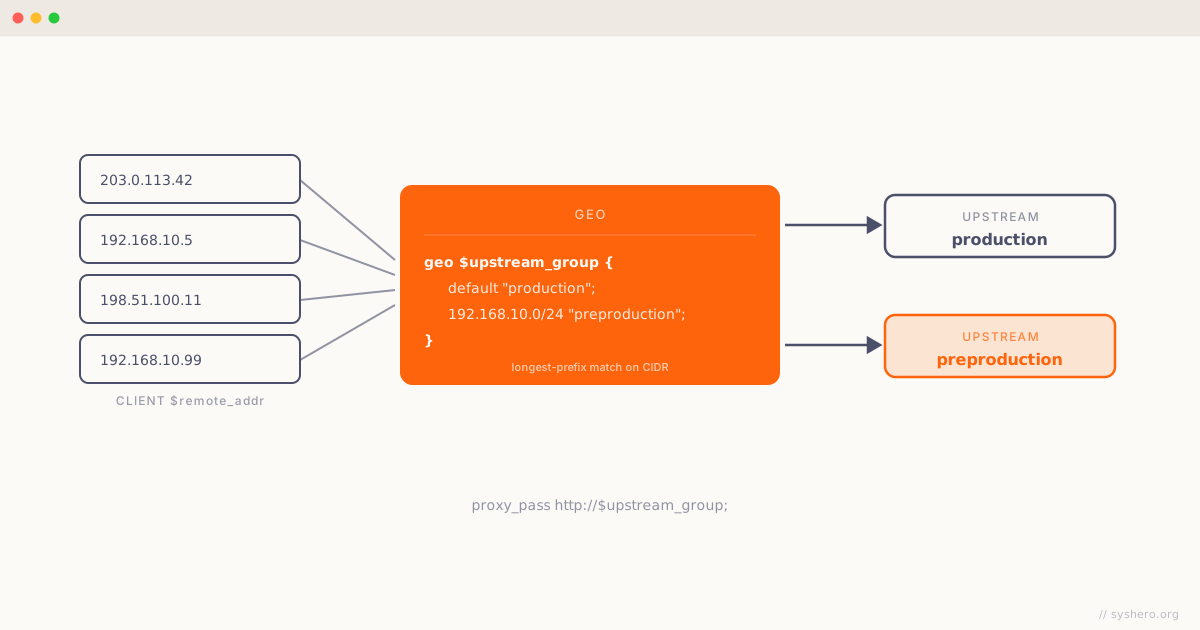
Using NGINX's geo command to match network blocks and route traffic to different upstreams or apply rate limits.
Using NGINX's geo command to match network blocks and route traffic to different upstreams or apply rate limits.
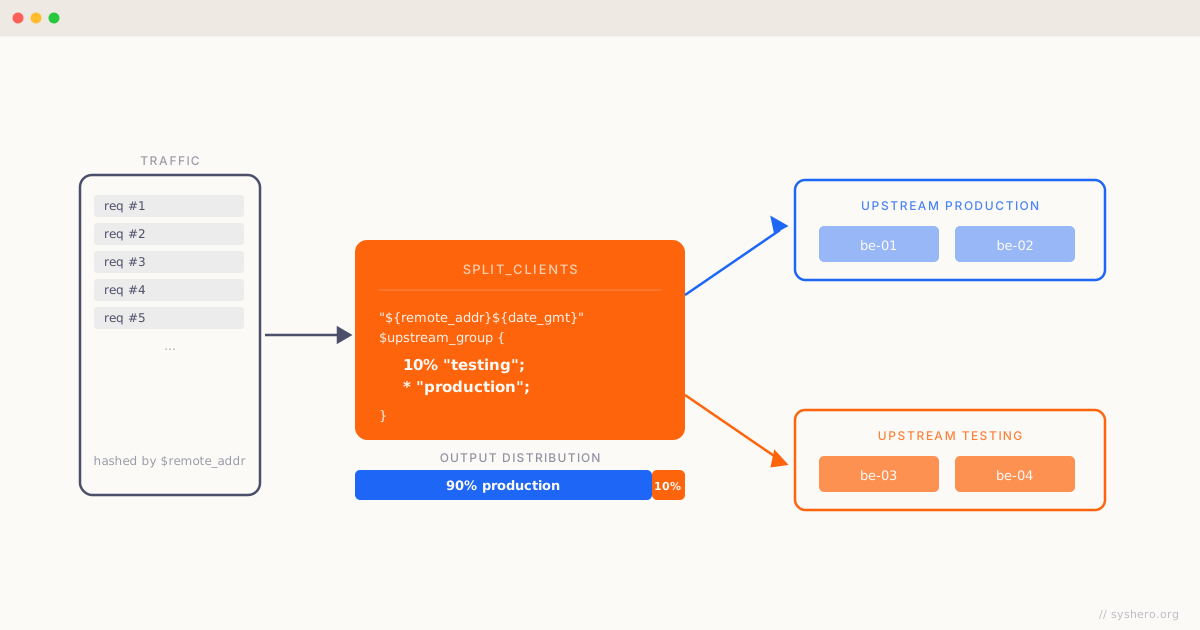
Using split_clients to bypass cache for a percentage of requests and direct traffic to different backend versions.
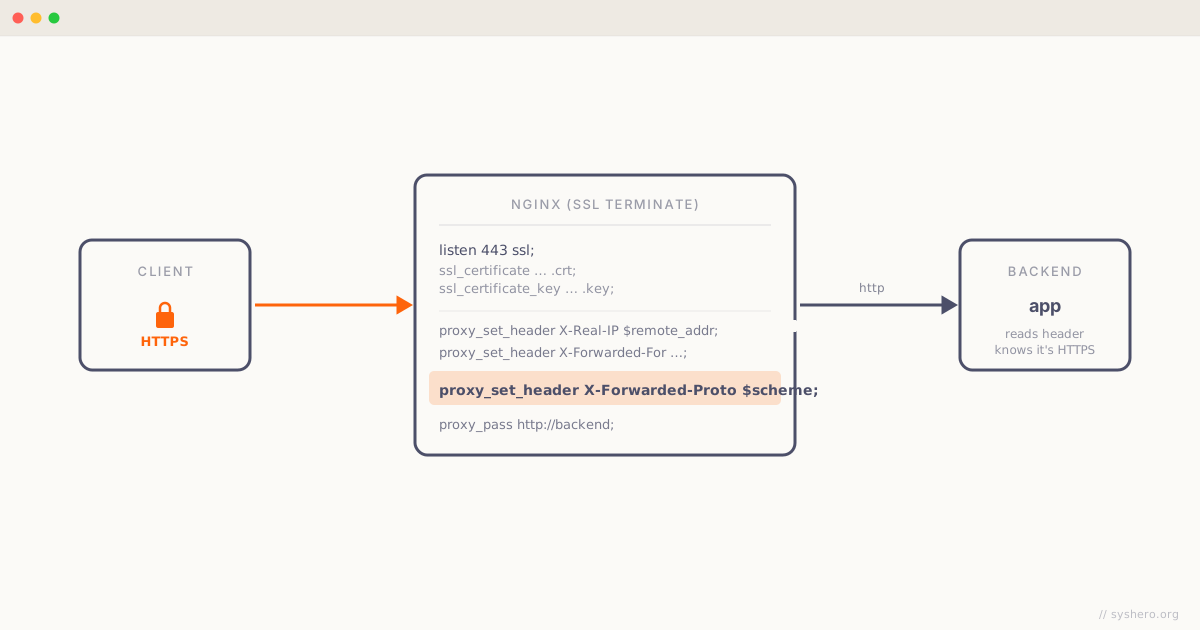
Setting X-Forwarded-Proto headers with NGINX proxy_set_header identifies SSL connections to backend servers.
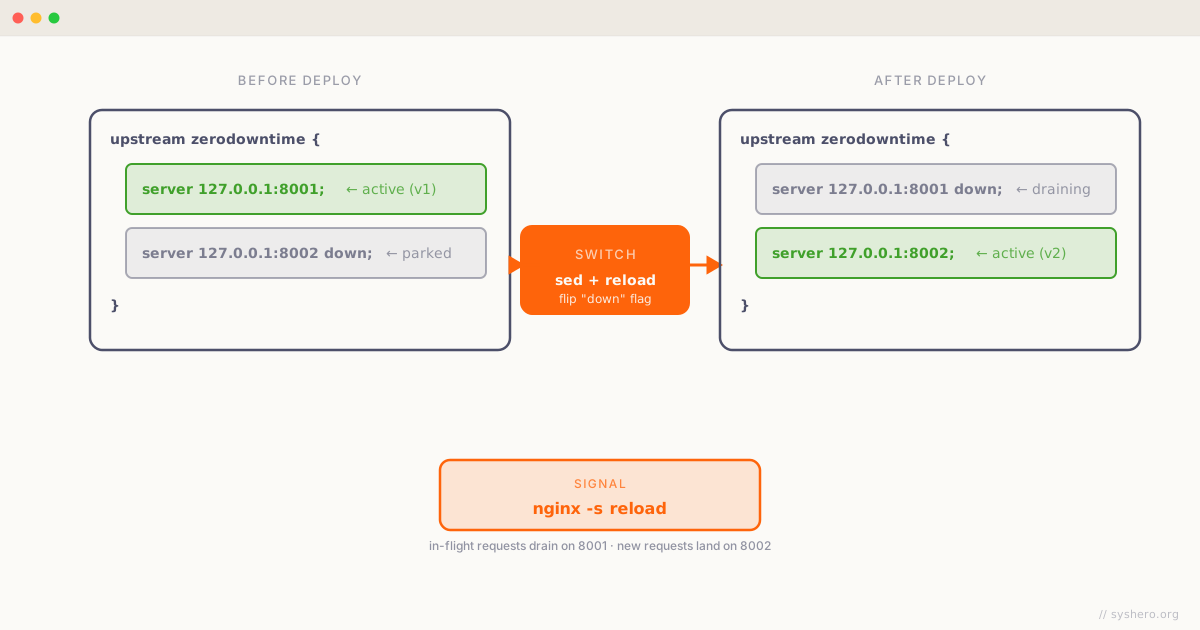
Configuring NGINX for zero-downtime deployments using upstream blocks and shell scripting.
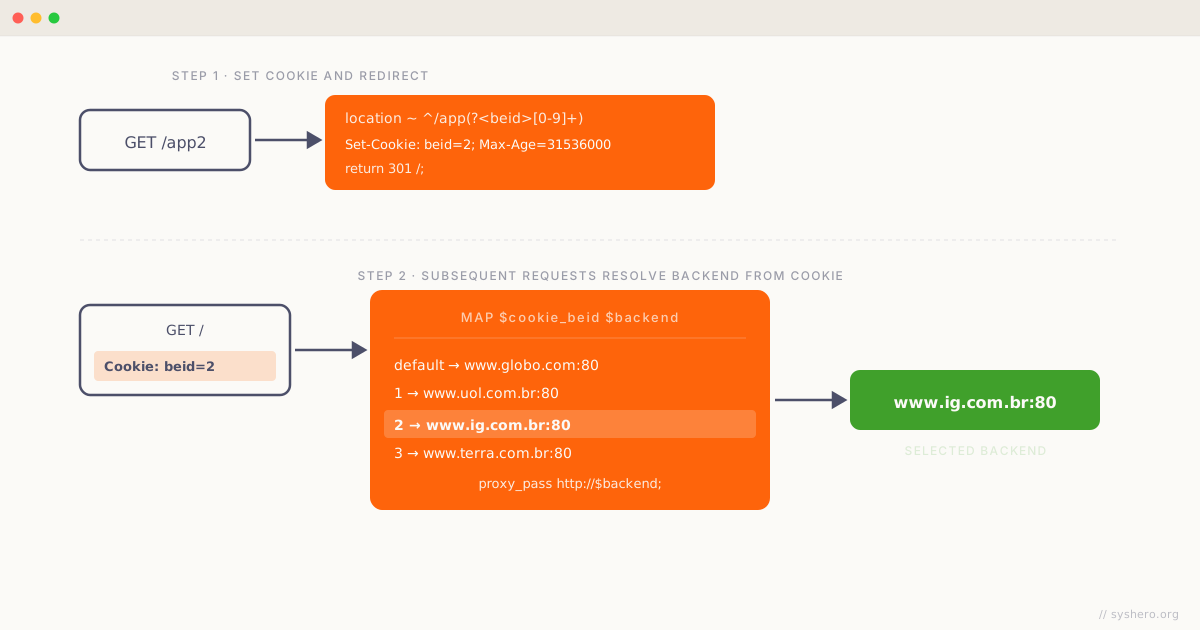
NGINX maps URL paths to backends using cookies and regular expressions.
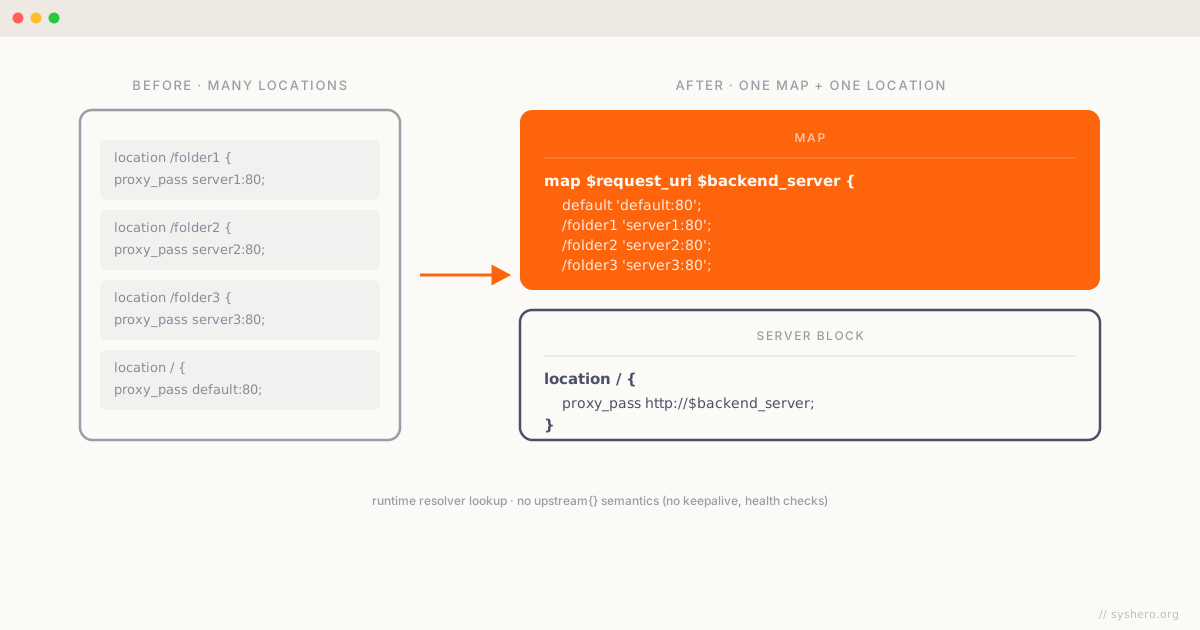
Using NGINX's map directive simplifies upstream configurations by reducing redundant location blocks.
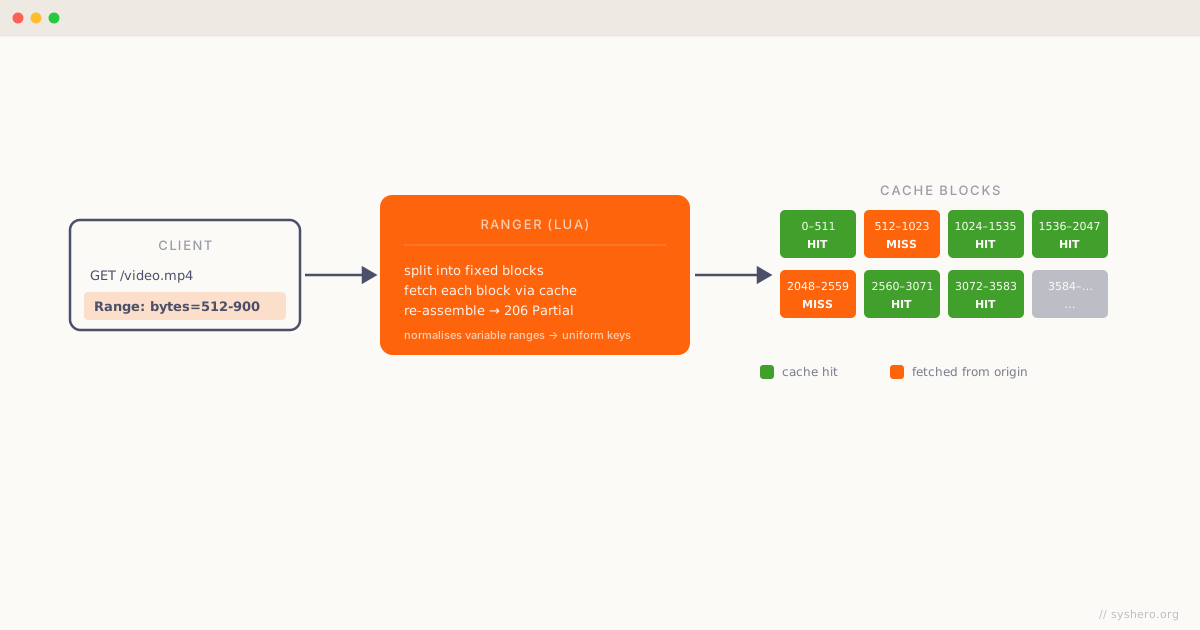
Using Lua and ngx_lua, ranger normalizes byte-range requests for caching in NGINX.
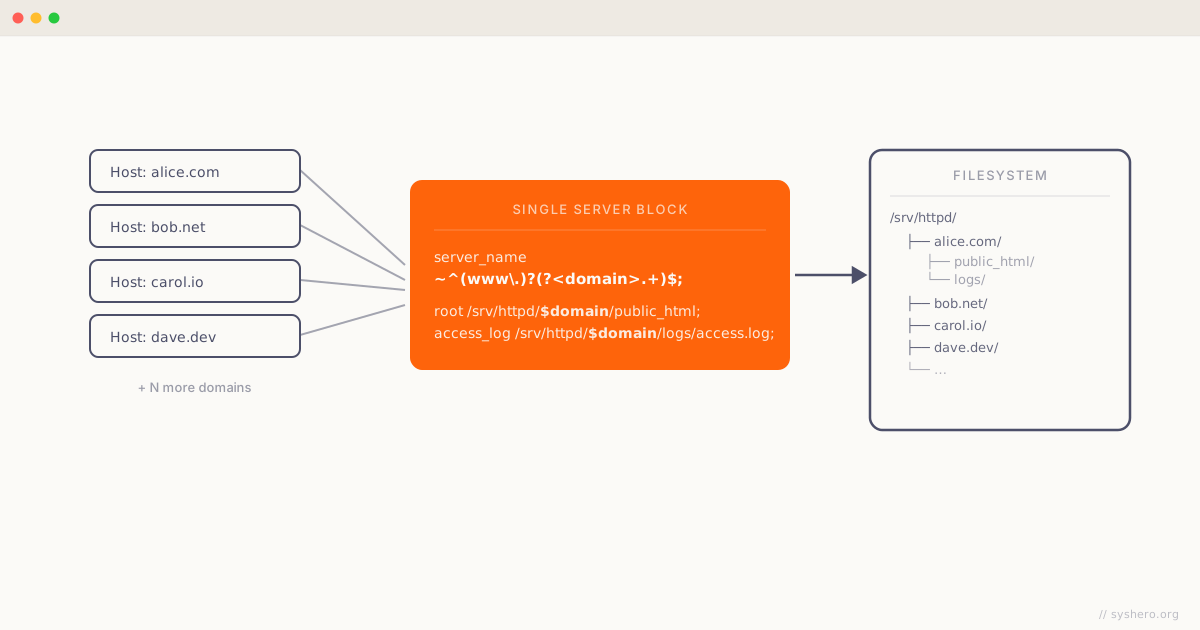
Configuring NGINX for dynamic mass virtual hosting using regular expressions in server_name directives.
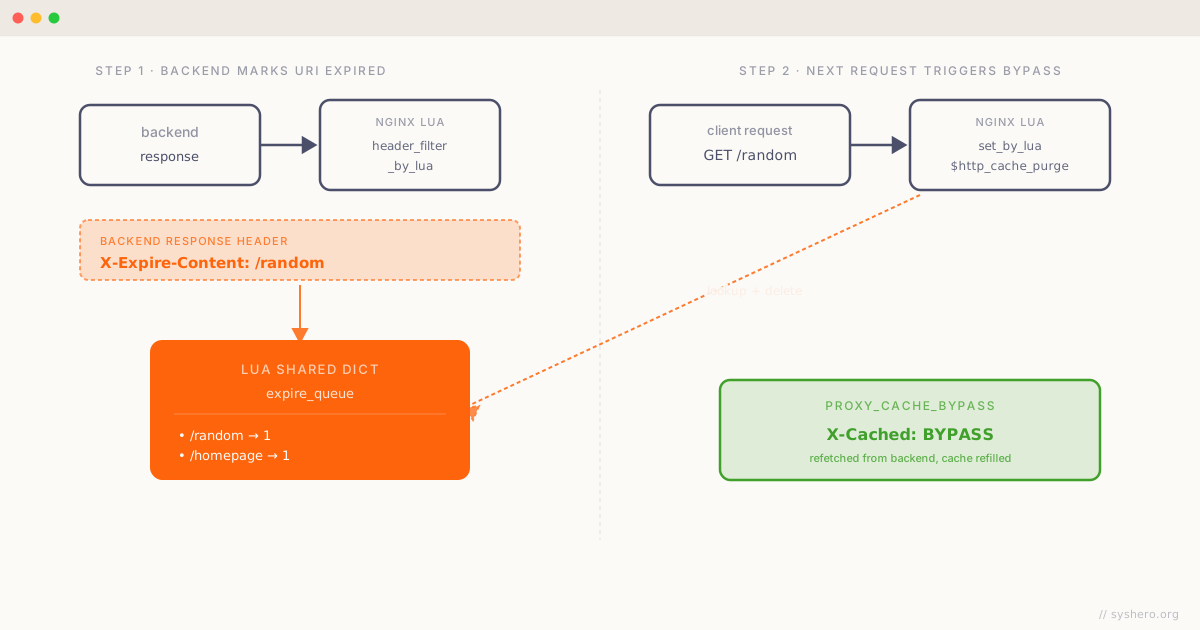
Implementing passive cache invalidation in NGINX using Lua and a shared dictionary queue.
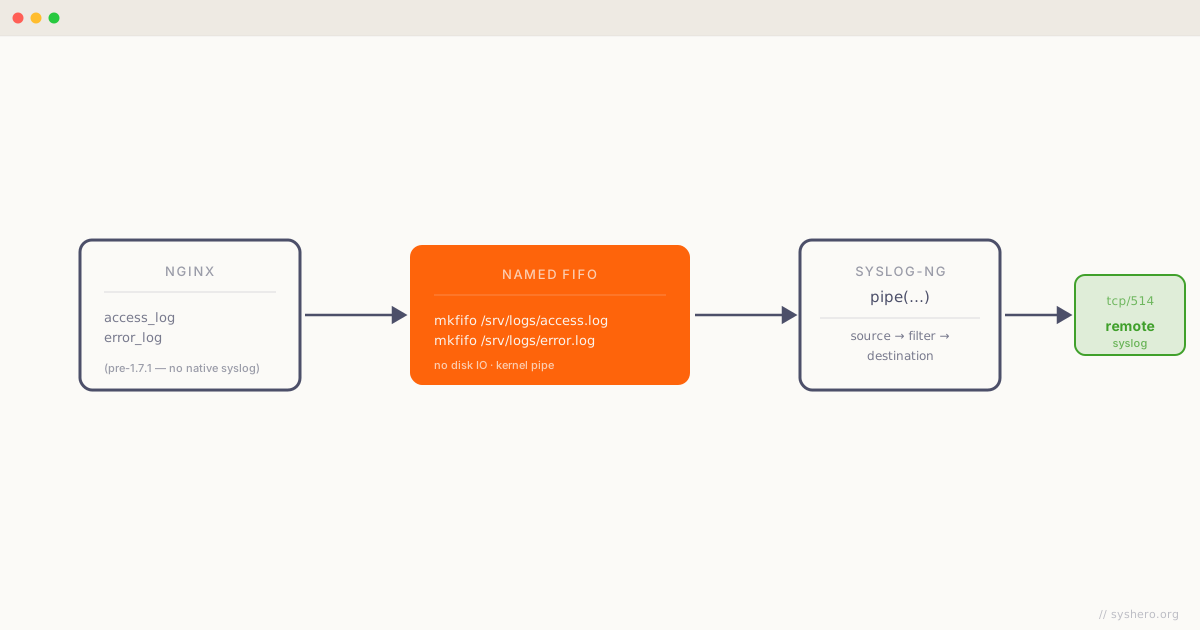
Configuring NGINX to log to syslog using a FIFO and syslog-ng.